
Richard Cashin
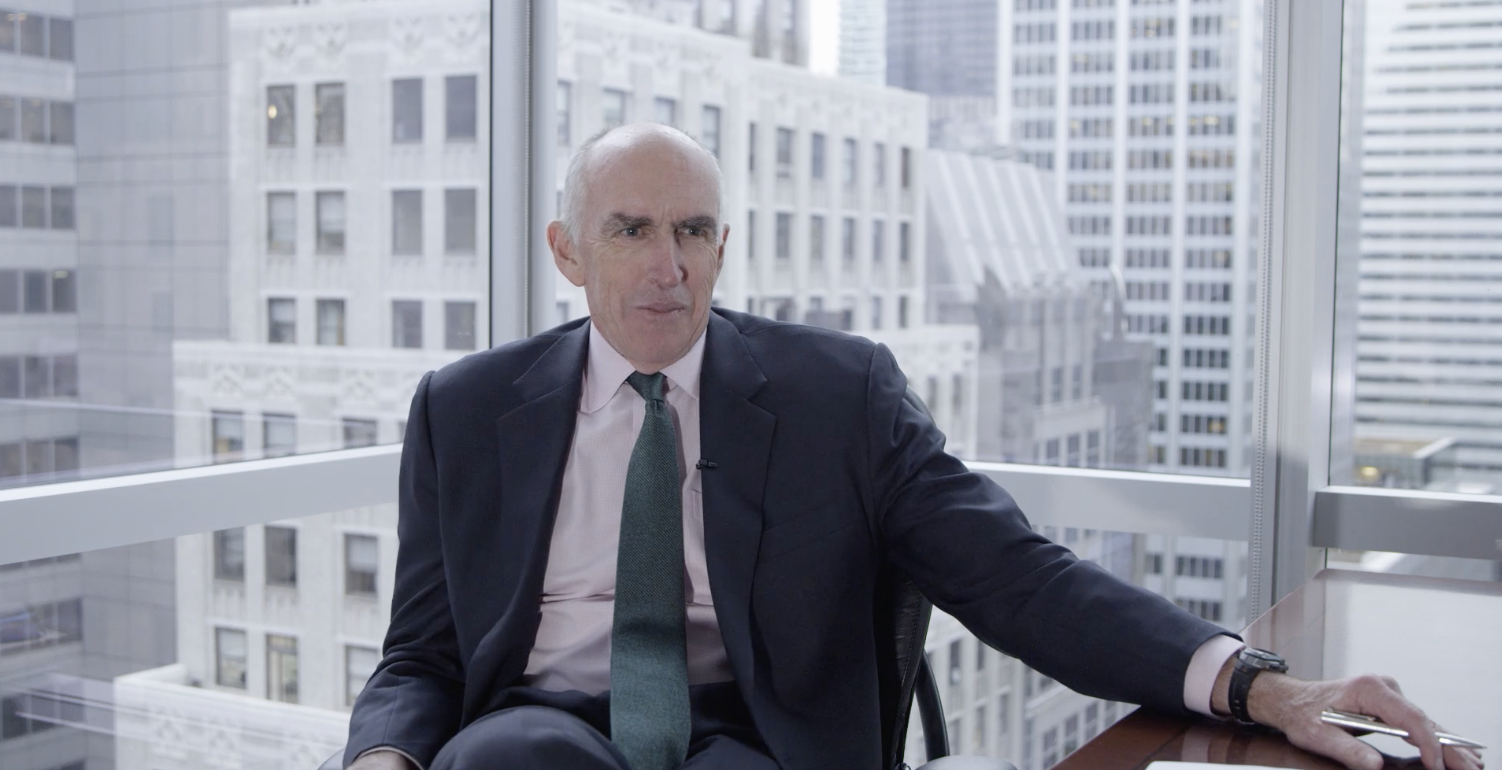
For the twenty-first episode of our ‘Building the Future’ series, we join Richard Cashin, President of One Equity Partners, and former member of the U.S. Olympic rowing team, who discusses his first meeting with Norman Foster, and collaborating with him on a philanthropic project in New York City. Their shared passion for cycling and outdoor sports brought the two men together almost fifteen years ago.
Estrella de Diego
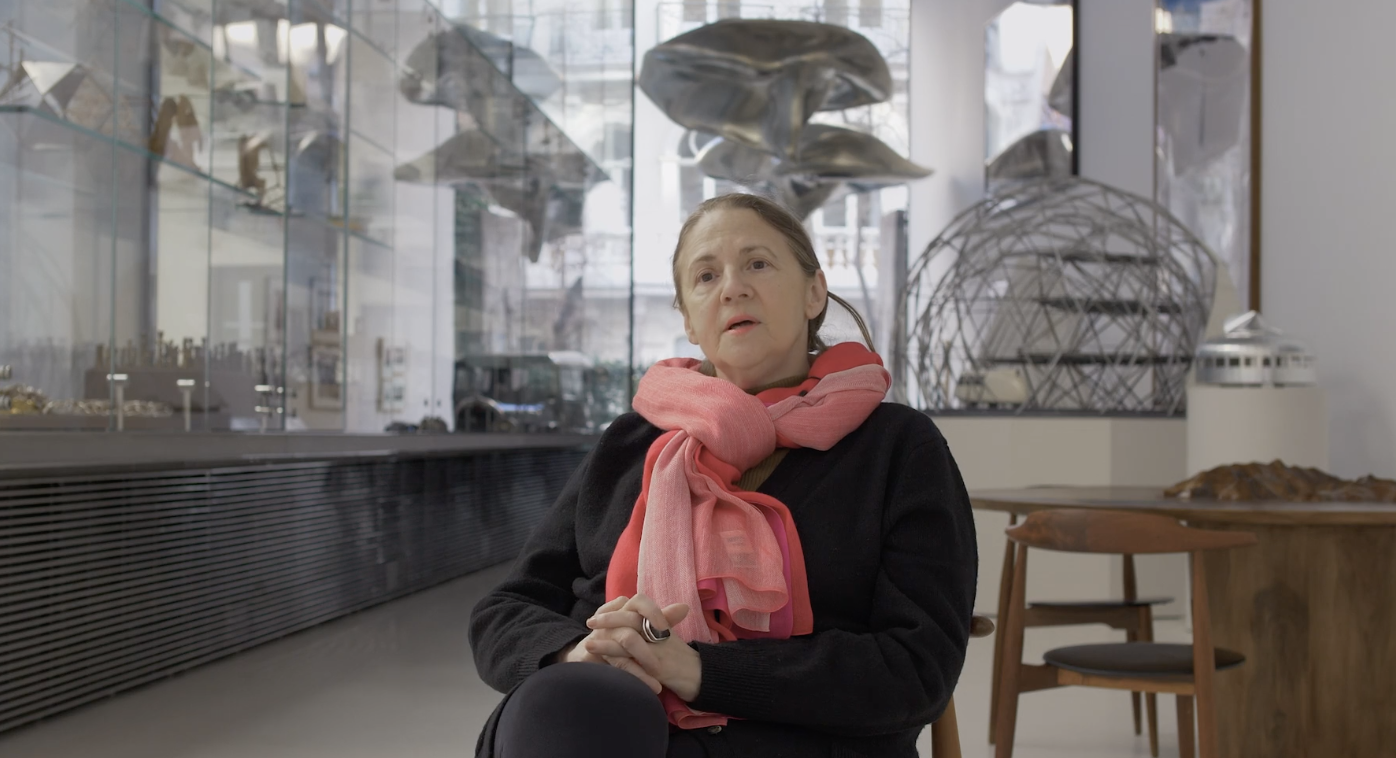
For the twenty-second episode of our ‘Building the Future’ series, award-winning art and architecture writer, researcher and academic, Estrella de Diego shares her experiences of Norman Foster’s architecture, the significance of his archive and the continuing importance of manual drawing.
David Levinson
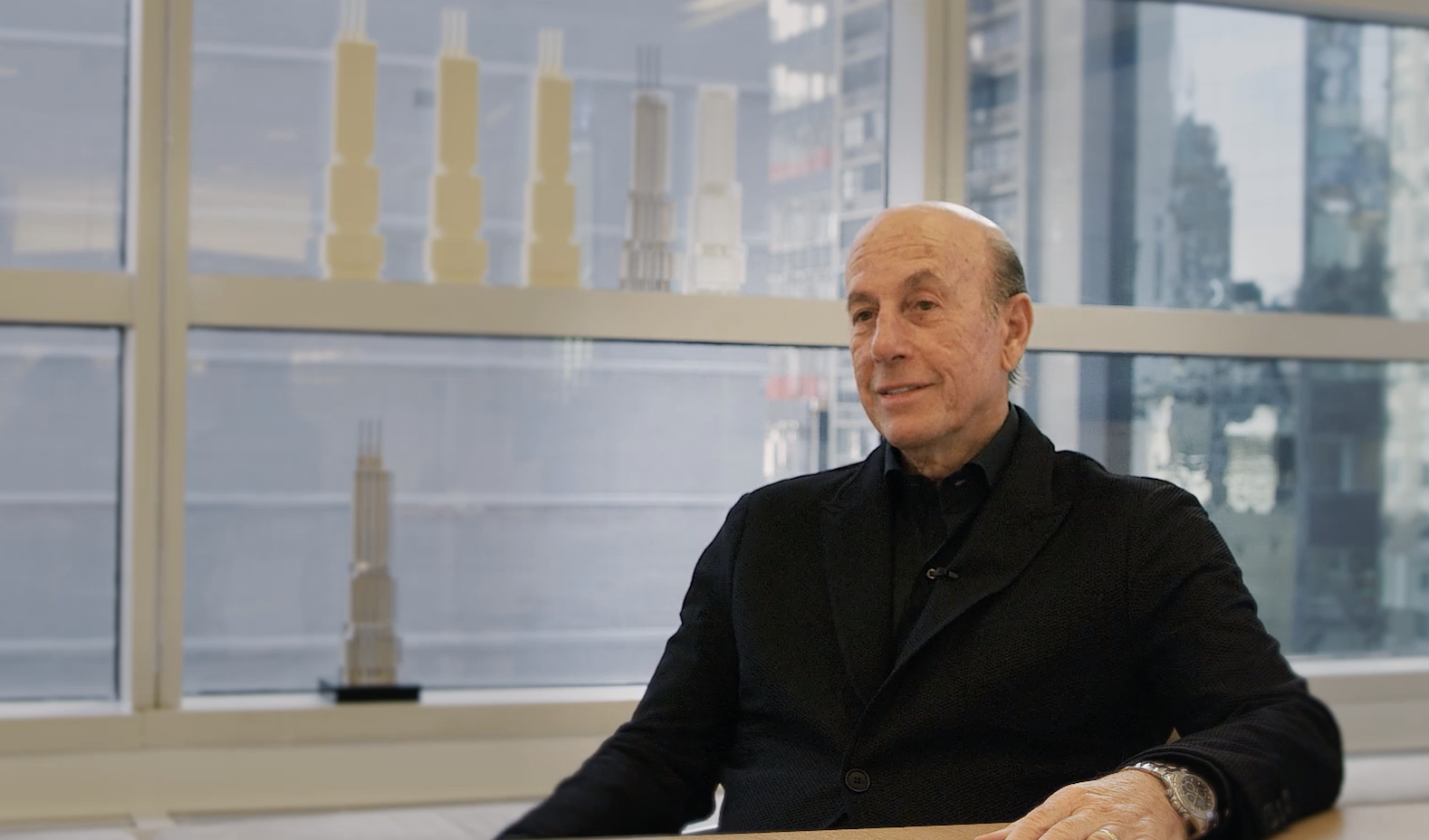
In this episode our ‘Building the Future’ series, David Levinson, Chairman and CEO of L&L Holding Company, discusses working with Norman Foster on 425 Park Avenue, New York. Focusing on modern interventions into historical buildings, the renovated Berlin Reichstag first drew Levinson’s attention to Norman Foster. While watching the construction of Hearst Tower, Levinson promised himself that: ‘One day, I’m going to do a project with Norman Foster’.
George Sexton
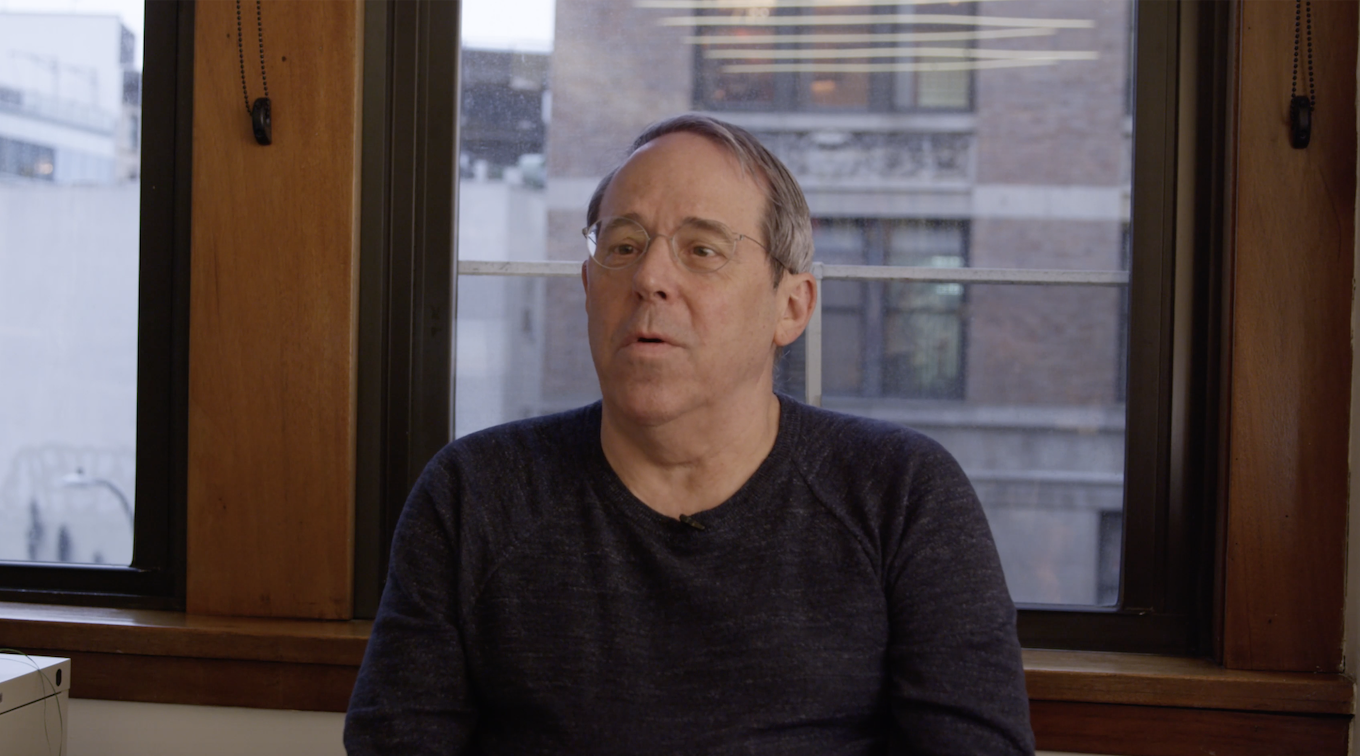
For this episode of our ‘Building the Future’ series, George Sexton, Principal of George Sexton Associates, recounts his first collaboration with Norman Foster on the seminal Sainsbury Centre for Visual Arts. It was early 1974 when Sexton travelled to London for a meeting with Sir Robert and Lady Sainsbury, the project’s clients, and the team behind the project, which included Norman and Wendy Foster.
Patricia Urquiola
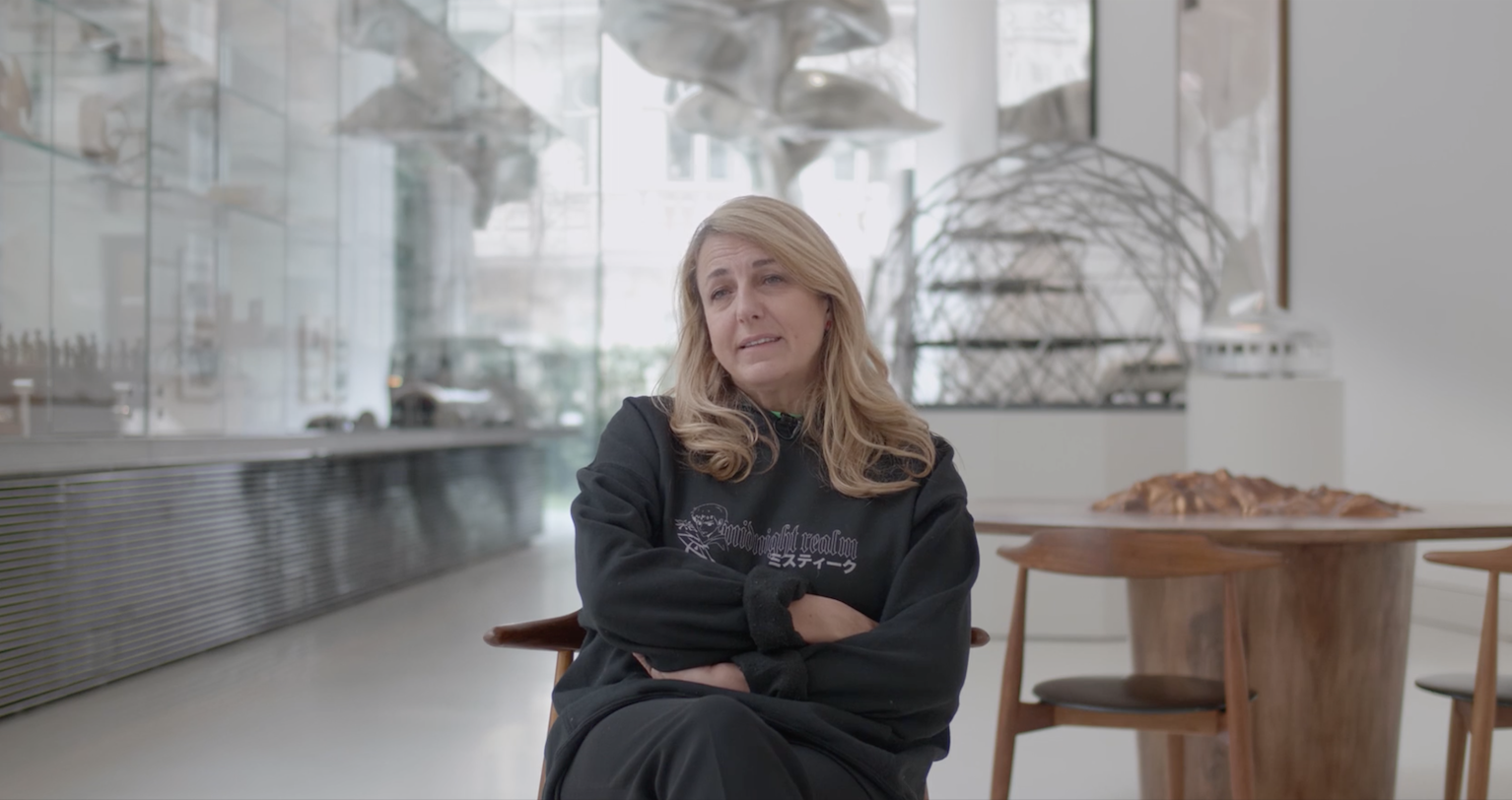
For this episode of the ‘Building the Future’ series, we are joined by award-winning architect and co-founder of Studio Urquiola, Patricia Urquiola. Recalling her time as a student in Madrid, she was already ‘really interested’ in Norman Foster’s work. When first flying into Stansted airport, Urquiola was immediately impressed by the building’s lightness and spatial qualities, stating ‘this is what an airport should be’.
Brian L. Roberts
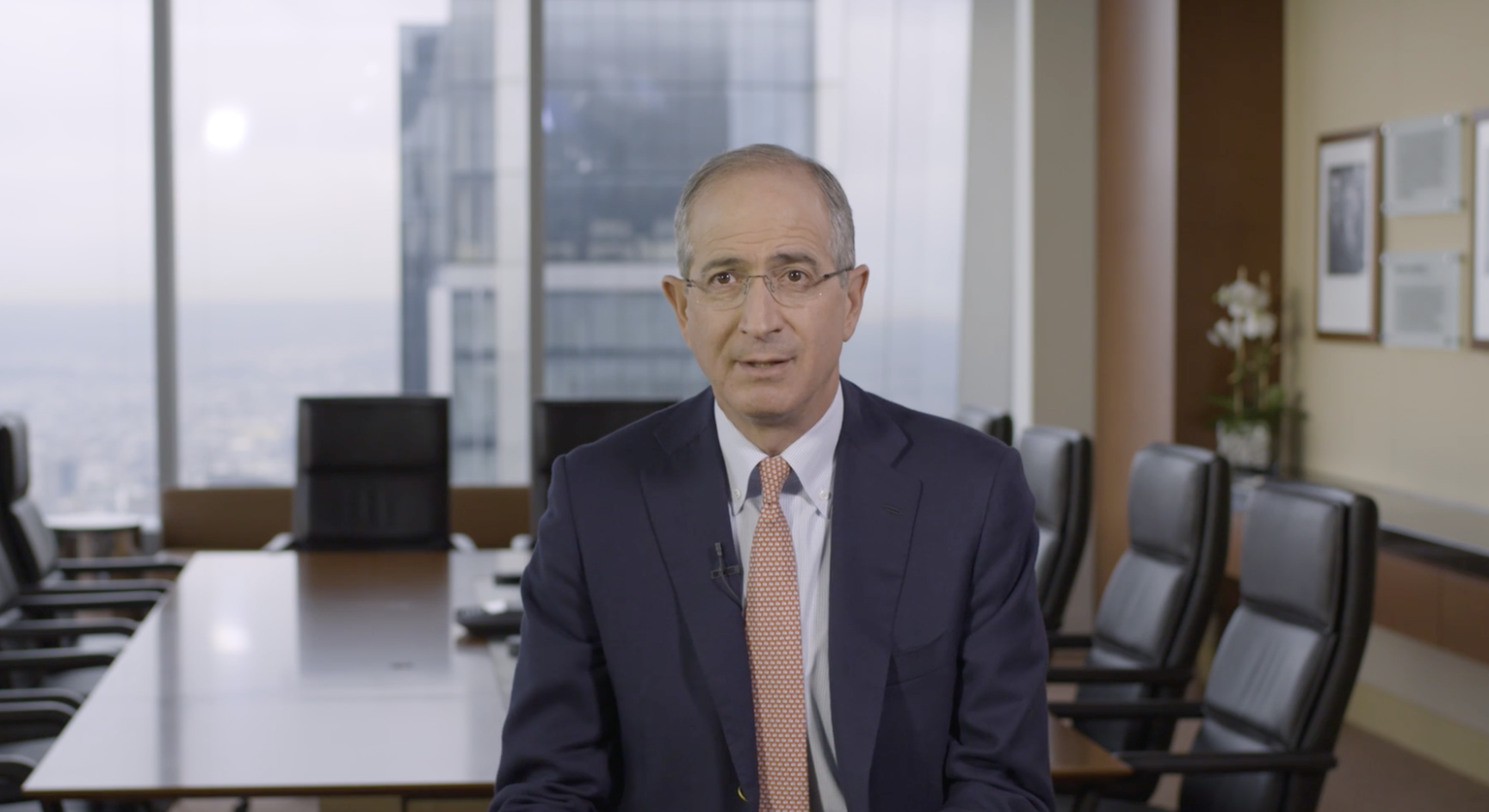
For this episode of our ‘Building the Future’ series, Brian L. Roberts, Chairman and Chief Executive Officer of Comcast Corporation, shares his personal experience of working with Norman Foster on the Comcast Technology Center, Philadelphia. Looking back on the process, in Roberts’ own words, it was ‘one of the most joyful and stimulating experiences I’ve ever been involved with’.
Gilbert C. Maurer
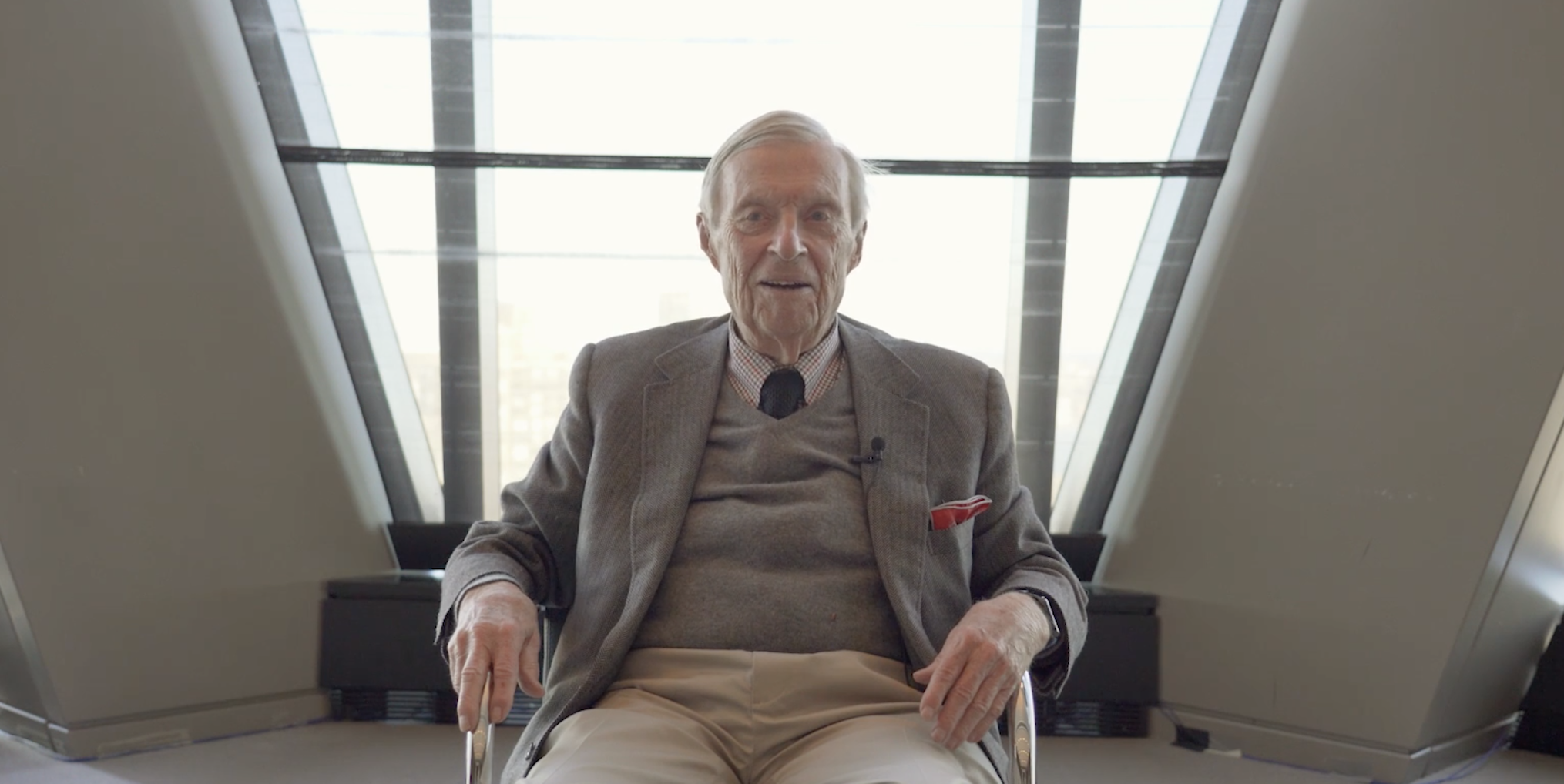
For this episode of our ‘Building the Future’ series, we join Gilbert C. Maurer, Director and Former Chief Operating Officer of Hearst Corporation. Tasked with overseeing the design and construction of the company’s new headquarters, Maurer restricted possible candidates to Pritzker Prize winners. Among them was Norman Foster, whose achievements drew Maurer’s attention, and whose Hongkong and Shanghai Bank was for Maurer “the epitome of cool”.
Maya Lin
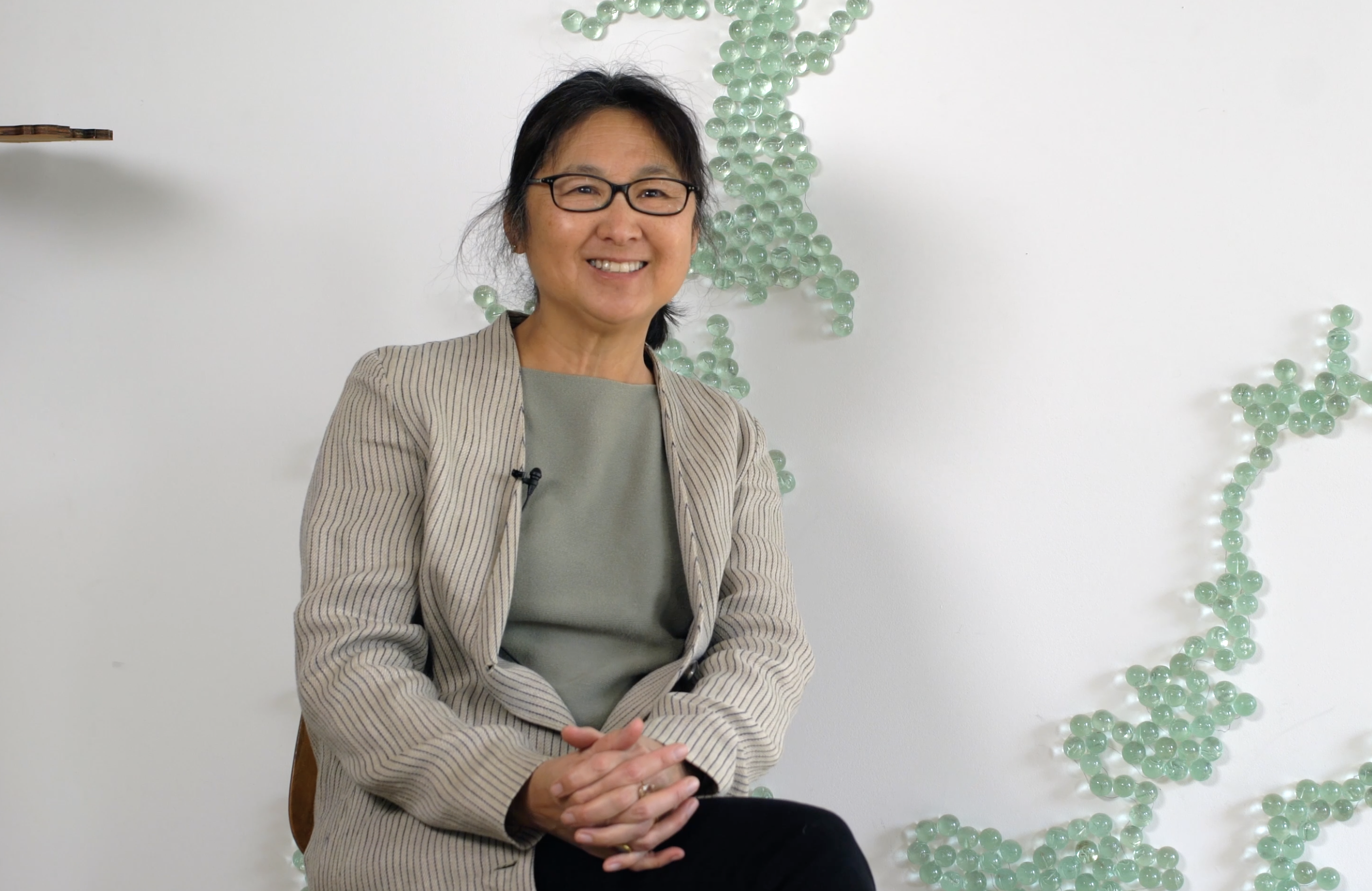
For this episode of our ‘Building the Future’ series, we join Architect and Artist Maya Lin, Founder of Maya Lin Studio (New York, USA ). Writing an article about the Hong Kong and Shanghai Bank in the early eighties, she was deeply impacted by its design and innovation.
Beatriz Colomina
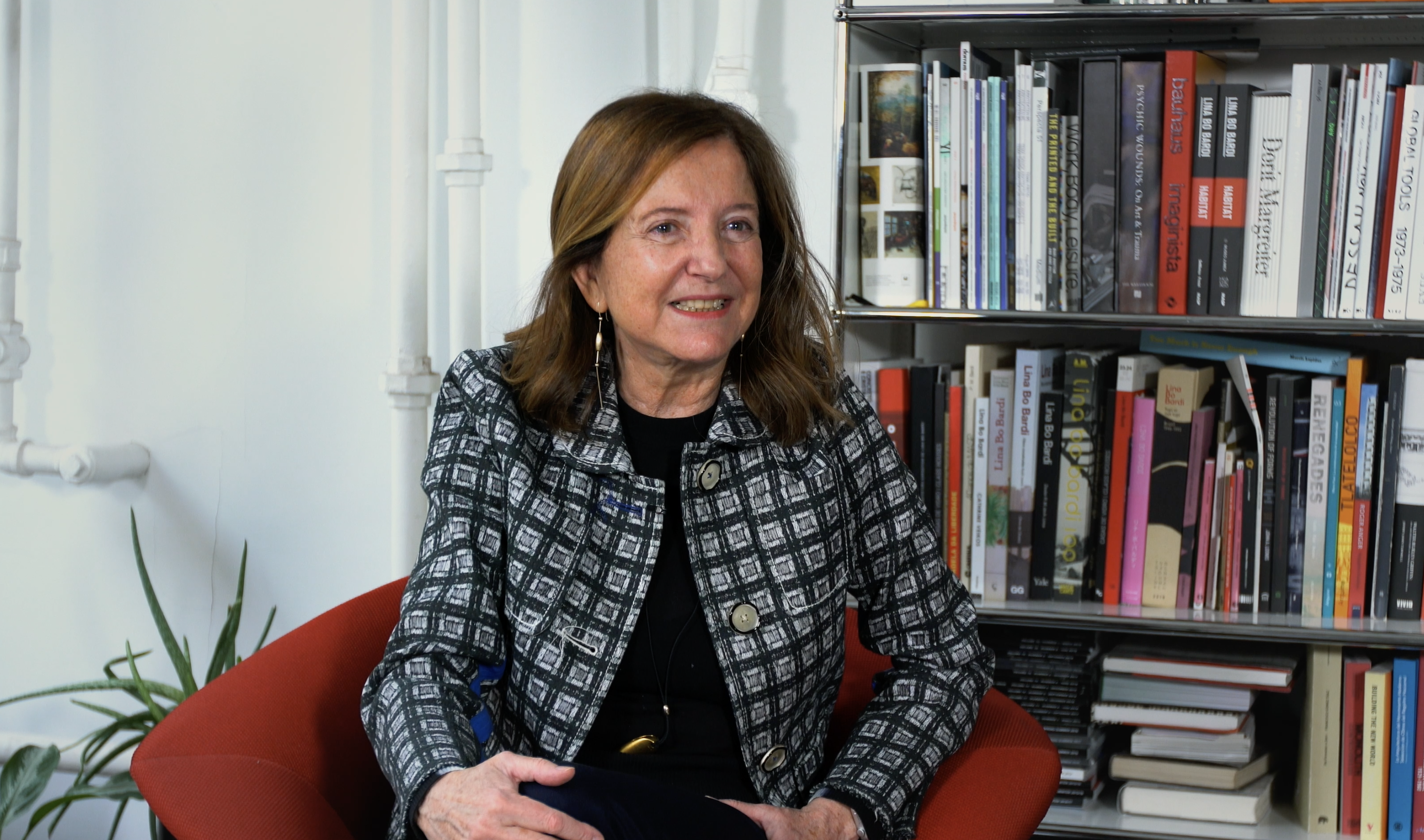
In this episode our ‘Building the Future’ series, Beatriz Colomina, Director of the Program in Media and Modernity, School of Architecture, University of Princeton, NJ, USA, discusses the impact of Norman Foster’s architecture, his legacy and the work carried out by Norman Foster Foundation.
Lynn Nesbit
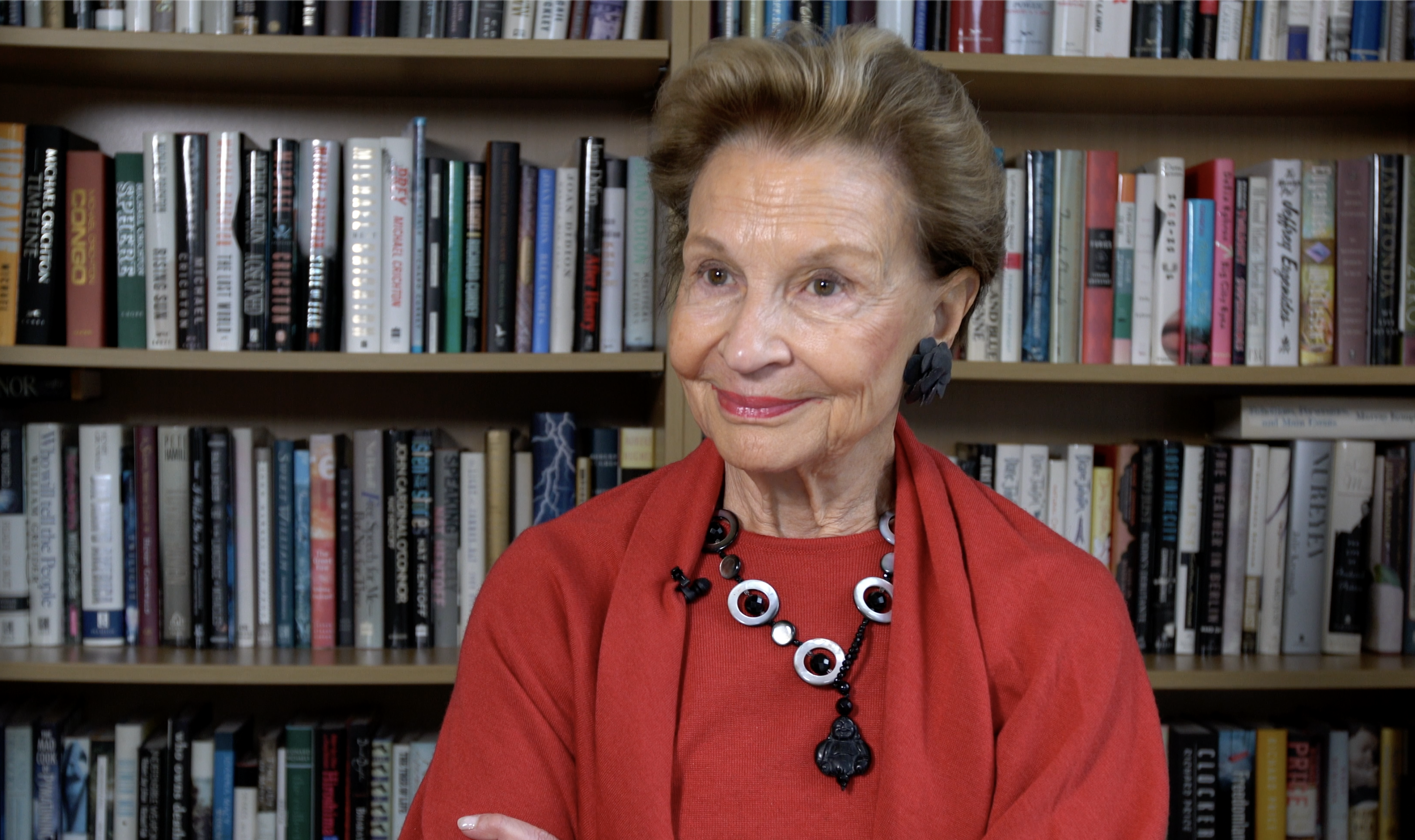
For this episode of our ‘Building the Future’ series, we meet Lynn Nesbit, Literary Agent, Co-founder of Janklow & Nesbit Associates, who talks about how important it is to be aware of the past in order to be able to take risks in the future.